Simple Overview Of Digestive System Warning Signs And Essential Gastroenterology Clinical Care
Introduction
Your digestive system turns food into energy every day. Sometimes your belly hurts or feels upset. Ongoing stomach trouble can be a sign of a real illness. Because of this, serious digestive problems need quick medical attention. We wrote this guide to make gut health simple to understand. We will explain doctors, hospitals, disorders, treatments, tests, and surgery. You will learn about common gut issues and basic medical steps. You will also see how to pick a safe place for care. This guide will help you ask your doctor the right questions. Learning about your body helps you make smart choices for your health.
What Is Gastroenterology?
Gastroenterology is the study of your digestive system. This system includes organs that take in food and break it down. A gastroenterologist is a doctor who cares for these body parts. These doctors treat your food pipe, stomach, intestines, colon, liver, and pancreas. They also look after your gallbladder. People visit these specialists when stomach pain will not stop. Others go because they have heartburn, loose stool, or trouble using the bathroom. A gut doctor finds the cause of your pain. Then, the doctor gives you a safe plan to feel better.
How GastroHospitals.com Can Help
Learning about gut problems can feel scary. GastroHospitals.com helps patients and families learn about digestive health. The site works as a helpful health guide and hospital discovery tool. It lists 50 leading hospitals that treat stomach and gut problems. The platform covers major care areas like liver health, bowel disease, and surgery. It also shares easy articles about common tests and procedures. You can read about illnesses before you visit a clinic. The site gives you facts so you can choose a good care team. It makes your search for good medical support much simpler.
When Should You See a Gastroenterologist?
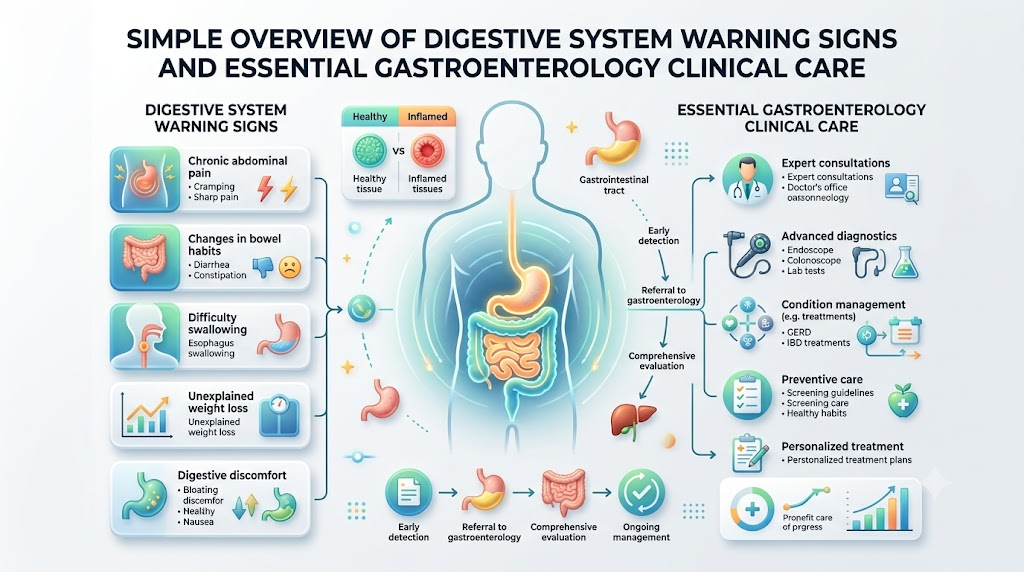
Sometimes a bad stomach ache gets better on its own. Other times, your body gives you warning signs. You should see a specialist if you have stomach pain that will not go away. Repeated heartburn every week is another sign. You should also watch for loose stool that lasts for days. Blood in your stool means you must call a doctor right away. Having trouble swallowing food is also a serious sign. Unexplained weight loss is another warning. These signs mean your body needs professional help. A specialist can run tests and find the exact problem early.
Common Digestive Disorders
Many people deal with digestive disorders during their lives. Some illnesses last a few days, while others last for years. Acid reflux can cause burning in your chest. Deep bowel swelling can cause cramps and bathroom trouble. Stomach bugs can cause sudden vomiting and fever. Liver issues can make your body feel weak and tired. Medical care helps people manage these daily health struggles. Doctors run tests to see what is happening inside your belly. Next, they make a treatment plan that fits your exact needs.
| Symptom | What it may need | Possible next step |
| Burning chest pain after meals | Check for acid buildup | Talk to a doctor about medicine |
| Loose stool for three weeks | Tests for gut swelling | Schedule an office visit |
| Hard belly pain with fever | Urgent medical check | Visit an urgent care center |
| Yellow color in eyes or skin | Blood and liver tests | See a liver specialist |
| Dark blood in stool | Camera check of the bowel | Book a colon test right away |
Gastroenteritis Treatment
Gastroenteritis is a common stomach bug. People often call this illness the stomach flu. It causes loose stool, belly cramps, nausea, and vomiting. Most cases happen because of viruses or bad food. Good gastroenteritis treatment focuses on resting and drinking fluids. Vomiting makes your body lose water very fast. So, you must drink water, clear broths, or oral rehydration fluids. Avoid soda, fruit juices, and milk because they upset the stomach. See a doctor if you cannot keep water down for 24 hours. High fevers and severe weakness also mean you need medical help.
GERD Treatment
GERD stands for gastroesophageal reflux disease. This happens when stomach acid moves up into your food pipe. The acid irritates the pipe and causes heartburn. Proper GERD treatment usually begins with simple lifestyle changes. You can eat smaller meals and avoid spicy or oily foods. It also helps to stay upright for three hours after dinner. Doctors can give you medicines to lower stomach acid. Some patients need camera tests to check the food pipe. A few patients may need surgery if medicines do not stop the acid.
IBD Treatment
IBD stands for inflammatory bowel disease. This long-term disease causes swelling in your digestive tract. The two main types are Crohn’s disease and ulcerative colitis. Symptoms include bad cramps, loose stool, weight loss, and fatigue. Effective IBD treatment helps calm the swelling down. Doctors use daily medicines to stop body inflammation. They also monitor patients with regular blood and stool tests. In some cases, patients may need surgery to remove hurt parts of the bowel. Treatment differs between patients because every body is unique.
Liver Disease Treatment
The liver is a large organ that cleans your blood. It also makes fluids that help digest food. Many things can harm the liver, such as viruses, fat buildup, and alcohol. Effective liver disease treatment depends on the cause and how sick the liver is. Doctors often suggest healthy food and daily exercise to stop fat buildup. Some patients need special antiviral medicines. Doctors also run blood tests and scans to monitor liver health over time. In very severe cases, a patient may need hospital procedures or a new liver.
Colonoscopy Procedure
A colonoscopy procedure is a common medical test. A doctor uses a thin, bendable tube with a tiny light and camera. This tool lets the doctor see the inside of your large intestine. The test finds swelling, sores, and small growths called polyps. Before the test, you must drink a special fluid to clean out your bowel. During the test, medicine helps you sleep so you feel no pain. The test takes about thirty minutes. Afterwards, you wake up in a quiet room and rest before heading home.
Gastrointestinal Surgery
Sometimes medicine is not enough to heal a digestive problem. In these cases, a doctor may recommend gastrointestinal surgery. This term covers operations on the stomach, bowels, liver, gallbladder, and pancreas. For example, a surgeon might remove an angry gallbladder. Another patient might need a colectomy to remove part of the colon. Some people need a gastrectomy to fix stomach disease. Other surgeries fix twisted bowels or blockages. Surgery always depends on the patient’s condition and medical advice from a trusted surgical team.
How to Compare Gastroenterology Hospitals
Finding the best hospitals for gastroenterology requires careful research. You want a facility that fits your exact health needs. First, check if the hospital has full-time gut specialists on staff. Second, look at the treatments and tools they offer. Make sure they perform modern camera tests and safe surgeries. Third, check the hospital location and emergency care hours. You should also check if your health insurance covers their care. Finally, ask about follow-up visits and nurse support after you go home. A good hospital makes your whole journey clear and safe.
| Factor | Why it matters | What to check |
| Specialist team | Experienced doctors know rare diseases | Look for board-certified gut doctors |
| Modern tools | Good tools make tests safer | Check if they offer advanced camera tests |
| Insurance coverage | Helps you avoid high medical bills | Call your insurance company first |
| Emergency services | Severe gut pain can happen at night | Check if the emergency room is open 24/7 |
| Follow-up care | Healing requires good post-visit checks | Ask about call centers and nurse help |
Real-Life Scenarios / Experiences
- Maria had severe heartburn every night for two months. She stopped eating late meals, but the burning continued. She visited a specialist who diagnosed her with GERD. Her new medicine stopped the chest pain within three weeks.
- David felt sharp stomach cramps and had loose stool for five days. He drank plenty of electrolyte fluids to avoid dehydration. His doctor found a bacterial stomach bug and gave him medicine to help him heal.
- Anita noticed dark blood in her stool during a normal morning. She did not wait for the symptom to get worse. She booked a colon check, and her doctor removed a tiny growth safely.
- Sam lost ten pounds without trying and felt tired every afternoon. His doctor ran blood tests and found inflammation in his bowel. A targeted treatment plan helped Sam gain his energy back.
Common Mistakes to Avoid When Choosing Care
- Waiting too long to see a doctor when pain continues. Fix this mistake by booking a visit if pain lasts over a week.
- Using internet advice instead of talking to a real doctor. Fix this mistake by asking a licensed health provider for guidance.
- Ignoring blood in the stool because it causes no pain. Fix this mistake by calling a doctor right away for a fast check.
- Choosing a hospital without checking your insurance plan first. Fix this mistake by calling your insurance agent before your visit.
- Forgetting to prepare properly for a camera test. Fix this mistake by following all drink instructions from your clinic.
- Stopping prescribed medicine as soon as your stomach feels fine. Fix this mistake by finishing your medicine plan as your doctor ordered.
- Skipping follow-up visits after an emergency room trip. Fix this mistake by seeing your primary care doctor within one week.
- Not asking questions when a doctor explains a surgery. Fix this mistake by writing down your questions on paper before you go.
How GastroHospitals.com Fits Into Your Research
GastroHospitals.com connects hospital discovery with digestive health education. The website gives you clear facts about gastroenterology treatments and common gut conditions. You can read about diseases before your doctor visit. Next, you can explore their hospital directory to find modern digestive health centers. The platform explains complex surgeries and tests in simple words. It helps you understand what questions to ask your care team. By combining health guides with hospital listings, the site supports your medical research. It gives families confidence when they need to make important health choices.
Frequently Asked Questions
1. What does a gastroenterologist do?
A gastroenterologist is a doctor who cares for your digestive system. They treat your food pipe, stomach, bowels, liver, and pancreas. They run tests to find the cause of your belly pain. Then, they give you medicine or simple food plans to help you heal.
2. When should I see a gut doctor?
You should see a specialist if stomach pain lasts for many days. Other signs include repeated heartburn, trouble swallowing, loose stool, and blood in the stool. Unexplained weight loss is also a key reason. These signs mean your body needs a complete medical check.
3. What is a colonoscopy procedure?
A colonoscopy procedure is a simple camera test for your large bowel. A doctor uses a thin, soft tube with a tiny light. The doctor checks for swelling, ulcers, and small polyps. Medicine keeps you relaxed and asleep during the whole thirty-minute test.
4. What is the best gastroenteritis treatment?
The most important step is drinking water and electrolyte fluids. This illness causes vomiting and diarrhea, which drain your body of water. Rest quietly and eat plain foods like toast and rice. Call a doctor if you cannot keep fluids down for a day.
5. Can GERD cause permanent damage?
Stomach acid can harm your food pipe if you leave it untreated. Over time, the acid can cause painful sores or narrow the pipe. A doctor can give you medicine to stop the acid. Making small changes to your diet also protects your throat and chest.
6. What is the main cause of liver disease?
Many things can cause liver disease. Common causes include viruses, drinking too much alcohol, and fat buildup in the liver. Some liver issues come from family genes. A doctor uses blood tests and body scans to find the exact cause of your liver problem.
7. How does a doctor treat IBD?
Doctors treat inflammatory bowel disease with daily medicines. These drugs calm down the swelling in your digestive tract. Doctors also monitor your health with regular blood tests. Some people need surgery to repair hurt bowel sections if medicines stop working well.
8. What happens during gastrointestinal surgery?
A surgeon operates on your digestive organs to fix a serious disease. They might remove an inflamed gallbladder or repair a blocked intestine. Doctors use sleeping medicine so you feel no pain. You rest in the hospital while your body starts to heal.
9. What should I eat when my stomach hurts?
Eat bland, plain foods that are easy on your stomach. Good choices include white rice, plain toast, crackers, applesauce, and oatmeal. Drink water or warm broth in small sips. Stay away from fried foods, spicy meals, and sugary sodas until you feel healthy again.
10. How do I choose between different digestive hospitals?
Look for hospitals with experienced doctors and modern testing rooms. Check if their location is easy for you to reach. Make sure they take your health insurance to prevent surprise bills. You should also check if they provide emergency services at night.
11. Can stress make my stomach pain worse?
Your brain and your gut talk to each other through nerves. Because of this link, stress and worry can cause stomach aches, nausea, and cramping. Managing stress through rest, walking, and deep breathing can help your stomach feel much more relaxed every day.
12. How does GastroHospitals.com help me?
The platform gathers hospital profiles and easy health articles in one place. It helps you learn about gut conditions, tests, and surgeries. You can also research leading hospitals for gut care. It gives you helpful facts so you can talk comfortably with your doctor.
Conclusion
Taking care of your digestive health helps your entire body stay strong. Stomach pain, heartburn, and changes in bathroom habits deserve careful medical attention. Doctors have many safe tools to diagnose and treat these common problems. Researching your symptoms helps you understand your body, but you should always talk with a licensed doctor for personal care. Websites like GastroHospitals.com make it easy to read about illnesses and find good hospitals for your family. Use this knowledge to take charge of your health today. Schedule a visit with a doctor whenever your body gives you warning signs.
Leave a Reply