Key Architectural Standards For Scalable Data Systems In Growing Digital Enterprises
Introduction
Modern companies need fresh, clean numbers to make smart choices every single day. Bad numbers slow down teams, create wrong sales reports, and cost businesses a lot of money. When computer systems break, workers waste hours fixing files by hand. This guide explains how to fix broken data flows, run automated tests, and track system errors easily. You will learn about modern pipelines, helpful tools, team methods, and career skills. TheDataOps.org shares practical educational guides that help teams fix these everyday data problems.
What Is DataOps?
Think of data like clean water moving through city pipes to your home tap. If a water pipe breaks or leaks dirt, nobody can drink the water. DataOps works like a team of city plumbers for company computer systems. It brings software developers, data teams, and operations workers together to build strong digital pipes. Teams use simple rules, automated robots, and clear checks to keep numbers moving safely. This smart teamwork stops nasty surprises, speeds up delivery, and keeps everyone smiling at work.
Why Does DataOps Matter?
Companies depend on quick, accurate facts to sell goods and help their customers. But systems often slow down when workers copy files manually without any robotic help. Files go missing, numbers arrive late, and broken computer jobs produce confusing, wrong reports. When systems crash quietly in the dark, leaders make bad choices with old numbers. DataOps fixes these big headaches by running quick checks every minute of the day. It frees smart workers from boring chores so they can build cool new projects.
What Is TheDataOps.org
TheDataOps.org is a friendly learning hub built to help people master modern data operations. It shares clear guides, system patterns, and deep lessons about pipeline robots and cloud systems. Beginners can explore helpful tutorials on automation, smart monitoring, and practical data safety rules. The platform also helps teams discover better ways to plan, test, and run their pipelines together. Its main goal is to make complex computer operations easy for everyone to learn and use.
DataOps Training and DataOps Course
A structured DataOps Training program teaches you how to move data without painful errors. Students learn Agile steps to plan work quickly and DevOps habits to run smooth systems. You learn to write automated tests that check every number before managers see reports. A practical DataOps Course covers cloud setups, code testing tools, continuous delivery, and system monitors. Real hands-on labs matter most because reading theory alone never builds real-world confidence. TheDataOps.org offers helpful learning paths that guide beginners step by step through these real engineering projects.
Comparison Table
| DataOps Area | Main Goal | Example Activity |
| Data Pipeline | Move data safely | Load daily sales logs into a database |
| Automation | Cut manual work | Run scheduled jobs without human clicks |
| Testing | Catch bad inputs | Find empty phone numbers in raw files |
| Observability | Watch system health | Track late jobs and trigger phone alarms |
| Data Quality | Clean up records | Remove duplicate customer orders automatically |
| Orchestration | Direct traffic | Run data cleanup before updating reports |
DataOps Certification
A DataOps Certification proves that you understand modern pipeline rules and testing practices. It shows team managers that you can build safe, automated workflows from scratch. But a paper certificate alone does not make you a master builder on day one. You must combine test study with real keyboard practice on messy, broken data sets. Start with basic Python scripts, build a working pipeline, add automated tests, and then earn your certificate.
Data Pipeline Automation
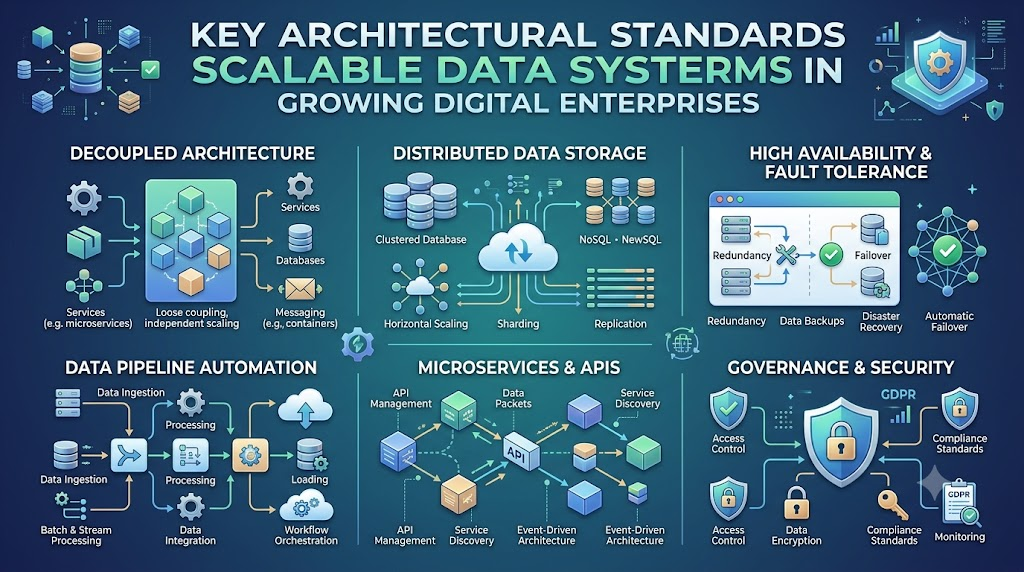
Data Pipeline Automation means using software robots to move files instead of clicking buttons by hand. Manual work takes too long and leads to silly human typing mistakes on busy mornings. A solid pipeline follows six simple steps: Collect, Clean, Test, Process, Store, and Monitor. For example, an online store takes customer orders at midnight and cleans the text fields. Then automated scripts check for missing credit card numbers and save the safe records into storage. CI/CD tools test this code continuously, so updates never break the morning sales charts.
DataOps Tools
Teams rely on different DataOps Tools because each app handles a distinct operational job. Python lets engineers write quick scripts to clean messy lists and reformat text values. Apache Airflow acts like a conductor who tells different computer jobs when to start. Apache Kafka passes live streaming messages between apps without dropping a single word. Apache Spark crunches giant mountains of numbers across hundreds of linked computers in seconds. Hadoop stores cheap files, while Kubernetes runs containerized code blocks smoothly in the cloud. Jenkins automates testing runs, Grafana shows visual charts of server health, and Tableau builds business dashboards. No company needs every tool, so pick only the software that solves your immediate bottlenecks.
DataOps Platform
A DataOps Platform brings all your scattered file pipelines into one single, friendly screen. It connects data ingestion, heavy batch processing, code testing, task scheduling, health tracking, and user governance. Teams do not have to jump between ten messy windows just to see if jobs finished. Before choosing a vendor platform, check its monthly price, security rules, customer support, and cloud growth limits. A solid platform must connect smoothly with your current databases without demanding painful, costly rewrites.
Data Observability
Data Observability gives you digital X-ray vision into every corner of your complex data pipelines. It constantly tracks pipeline health, delivery speed, missing records, job failures, and sudden file volume spikes. For example, if a store normally gets ten thousand orders but receives only five, alarms ring immediately. Smart alerts notify on-call engineers via text message before company leaders notice empty morning spreadsheets. This speedy warning system saves hours of panicked searching through confusing, messy server log files.
Data Quality Management
Data Quality Management makes sure your business numbers stay pure, accurate, and completely trustworthy. It hunts down empty cells, wrong date formats, duplicate customer accounts, and broken business math rules. If bad rows sneak past your defenses, financial teams make wrong choices that hurt profits. Automated data gates test incoming records and reject bad rows before they pollute clean databases. High data quality builds strong trust so everyone in the company believes the dashboard metrics.
DataOps Consulting
Organizations hire DataOps Consulting experts when their internal pipelines break down and cause delays. Professional consultants inspect broken workflows, slow batch jobs, manual steps, team friction, and missing system monitors. They look closely at current tool usage and find simple ways to automate boring tasks. Good consulting focuses on fixing real business bottlenecks instead of selling expensive, unnecessary software packages. These practical changes help internal teams release bug-free data products much faster each week.
Real-Life Scenarios / Experiences
- A retail team spent four hours every morning checking warehouse inventory sheets by hand until automated validation scripts cut that daily task down to two minutes.
- A hospital network faced delayed patient intake charts because database jobs crashed quietly at midnight without sending any error notifications to the technical staff.
- A banking firm stopped bad loan approvals by setting up automated schema checks that reject corrupted applicant files before the records enter the reporting platform.
- A media streaming company avoided weekend server outages by using health dashboards that track sudden drops in user watch-time logs.
DataOps Engineer Career Path
A DataOps Engineer builds reliable digital highways that carry information across modern company systems. To land this fun job, learn Python scripting, SQL database queries, basic Linux commands, and Git code versioning. Next, study data pipelines, automated testing, cloud providers, and orchestration engines like Airflow. Build personal projects at home, such as a script that pulls public weather data, tests it, and alerts your email. Practical portfolio projects prove your real-world problem-solving skills much better than a plain resume list.
Common Mistakes to Avoid When Choosing Data Operations Strategies
- Buying shiny software platforms before your team defines clear pipeline goals and fixing basic workflow bottlenecks first.
- Skipping automated tests to save time, which guarantees that dirty numbers will break downstream business dashboards later.
- Letting workers move production files by hand instead of writing reliable, repeatable automation code for every task.
- Ignoring system monitoring alerts until angry managers call about blank morning reports and lost sales numbers.
- Keeping data engineers and software developers in separate, silent groups that never talk about pipeline interface changes.
- Trying to use twenty complex open-source tools at once when three simple scripts can do the exact same job.
- Forgetting to write down clear data dictionaries, so team members argue endlessly about what specific metric names mean.
- Storing unmasked customer private details in test environments, which exposes the business to dangerous compliance fines and leaks.
How TheDataOps.org Can Help
TheDataOps.org shares practical educational materials designed for both eager beginners and working data professionals. You can find straightforward lessons on pipeline building, automated testing, and essential DataOps Engineer skills. The site explores popular pipeline utilities, cloud patterns, and sensible quality checks without confusing corporate jargon. It helps engineers prepare for professional certifications by focusing on real-world projects and modern automation habits. Readers gain the confidence needed to fix broken data flows and deliver clean business numbers every day.
DataOps Tools Overview
| Tool | Main Use | Simple Example |
| Python | Data coding | Clean up date formats in messy files |
| Airflow | Job scheduling | Run nightly database jobs in proper order |
| Kafka | Data streaming | Move live customer click events instantly |
| Spark | Data processing | Group millions of payment rows in minutes |
| Jenkins | Automation | Run tests on pipeline code before release |
| Grafana | Monitoring | Display colorful graphs of server health |
Frequently Asked Questions
1. What does DataOps mean in simple words?
DataOps is a team approach that uses automation to deliver clean business data fast. It connects data workers, software engineers, and system operators through shared tools and habits. By using smart tests and robots, teams stop errors before reports reach business leaders.
2. Is DataOps just DevOps for data?
DataOps borrows ideas like fast delivery, agile planning, and continuous testing from DevOps. But it also handles unique challenges like messy source data, changing file schemas, and private records. It treats data like a live product that needs nonstop care and regular safety checks.
3. Do I need to know how to code to work in DataOps?
Yes, basic coding skills help you build automated tasks and handle messy files. Learning Python and SQL gives you enough power to write checks, query tables, and connect systems. You do not need to be a software wizard, but script writing is an essential everyday skill.
4. What is the difference between a Data Engineer and a DataOps Engineer?
Data engineers design and build the storage tables and pipelines that transform company data. A DataOps engineer focuses on the delivery factory itself, building automation, testing gates, and health monitors. Both roles work hand in hand to keep pipelines running smoothly without human intervention.
5. Why do automated data tests matter so much?
Automated tests check every incoming row for missing values, wrong dates, and weird numbers. If bad records show up, the test stops the job before bad numbers reach company charts. This quick check saves teams from making wrong business choices based on faulty facts.
6. Can small teams use DataOps methods?
Yes, small teams benefit greatly because automation frees them from tiring daily chores. Even simple setups with Python scripts, basic Git tracking, and a few tests save hours of work. You do not need expensive software platforms to start building cleaner, safer pipelines today.
7. What is data observability?
Data observability means keeping a close eye on system health and data movement. It tracks missing rows, late arrivals, failed jobs, and broken servers across the whole network. When something goes wrong, alert systems warn engineers so they can fix problems fast.
8. How long does it take to learn DataOps basics?
You can grasp core pipeline concepts and basic testing rules in just two or three months. Spend time practicing with Python, writing SQL queries, and scheduling simple tasks with Airflow. Building real portfolio projects speeds up your learning journey and builds lasting confidence.
9. Which tool should I learn first as a beginner?
Start by learning Python because it is easy to read and handles almost every data task. After Python, learn SQL to pull database records and Git to save your code versions safely. These three core tools form the foundation for every modern data operations workflow.
10. Does a DataOps certification guarantee a job?
A certification helps your resume stand out by showing that you take your learning seriously. But hiring managers care most about whether you can solve real-world pipeline bugs on the job. Always pair your test studies with practical, hands-on portfolio projects that you built yourself.
11. What causes most pipeline failures in production?
Most pipeline crashes happen because outside source data changes without any advance warning. A vendor might rename a column, send empty rows, or change a date format unexpectedly. Automated schema checks catch these sneaky shifts early so downstream databases never break.
12. How does TheDataOps.org help learners?
TheDataOps.org offers practical guides, learning pathways, and clear tool overviews for engineers of all levels. It breaks down complex topics like orchestration, testing, and observability into plain English lessons. Readers learn the practical skills needed to design, automate, and protect modern data platforms.
Conclusion
DataOps helps modern businesses deliver clean, accurate numbers through pipeline automation, proactive monitoring, and strict data quality checks. Learning core tools like Python, Airflow, and Kafka allows you to build safe workflows that cut boring manual work. Earning a certification and practicing with real labs prepares you for a rewarding career as a DataOps engineer. TheDataOps.org shares practical educational materials that guide you through every step of this modern data journey. Keep practicing with simple automation scripts, test your pipelines often, and build systems that everyone can trust.
Leave a Reply