Foundational Kubernetes Architecture Principles Supporting Modern Distributed Enterprise Application Workloads Successfully
Introduction
Modern companies must deliver software fast to stay ahead. Customers want new computer features every day. Buggy updates make users angry and hurt business sales. Teams must build systems that run smoothly without downtime. This need makes DevOps 研修 very popular across Japan today. DevOps training teaches software creators and system operators to work as one united team. In the past, builders and managers worked far apart. Today, they share goals and use smart automation tools. DevOpsSchool.jp serves Japanese companies with practical tech education and engineering help. The team offers structured lessons, advisory work, and ongoing guidance. Businesses use these practical skills to improve their digital services. Learning modern software delivery helps companies grow and succeed.
What DevOps Training Means
DevOps training teaches practical technical skills for real work. Students study automation, which means letting computer scripts do boring daily tasks. Next, learners practice automatic software testing. They also explore cloud computers, which store files and programs on internet servers. Learners set up CI/CD pipelines. A CI/CD pipeline acts like a smart factory line that checks and delivers code fast. Teams also study system monitoring to track computer health. Most of all, students learn strong teamwork and clear communication. Reading books alone does not make a great engineer. Practical DevOps 研修 gives engineers real laboratory tasks. When engineers practice on real systems, they solve office problems quickly.
What is DevOpsSchool.jp
DevOpsSchool.jp is an educational and technology support platform for companies in Japan. Its primary purpose is to help engineering groups modernize their daily work. The website provides hands-on classes, expert advice, setup assistance, freelance specialists, and long-term technical help. Engineering groups use these resources to master modern digital tools. IT managers discover structured courses that match real office goals. Developers learn how to deliver software safely and quickly. System administrators discover how to automate routine tasks. The platform focuses on practical skills that teams can apply immediately. It bridges the gap between basic theory and actual day-to-day work.
Why Companies Need DevOps Skills
Manual software work causes many severe headaches for growing businesses. Engineers spend hours moving files by hand, which introduces human error. Releases move slowly because testing takes days. Systems crash during updates, and customers lose trust. Also, developers and operations teams often blame each other when errors occur. DevOps methods solve these communication and technical hurdles. Automated checks catch coding mistakes early. Shared tools give everyone visibility into system operations. Because teams need these habits fast, leaders choose DevOps corporate training Japan. Group education aligns workers around shared standards. Your staff learns to release updates safely every single week.
DevOps Training Areas
Modern software operations contain several specialized branches. Teams study distinct tools to handle different operational challenges.
| Training Area | Simple Meaning | Useful For |
| DevOps 研修 | Teamwork and delivery automation | Faster software release cycles |
| Kubernetes 研修 | Managing groups of software boxes | Running apps across many servers |
| Terraform 研修 | Building cloud setups with written code | Safe and repeatable cloud creation |
| SRE 研修 | Keeping computer systems working always | Stopping system crashes and outages |
| DevSecOps 研修 | Adding security checks into daily coding | Finding software safety bugs early |
| MLOps 研修 | Running smart artificial intelligence programs | Managing live machine learning models |
Kubernetes Training
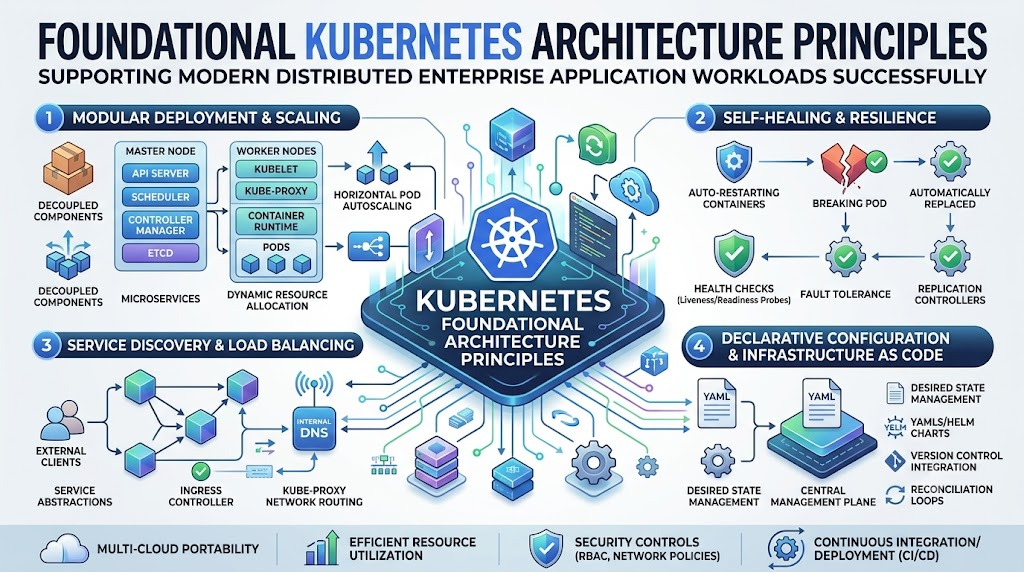
Kubernetes acts like a smart ship captain for software programs. In modern IT, programmers pack applications inside small units called containers. A container holds an application and everything it needs to run. But large businesses use thousands of containers at once. Managing them by hand is impossible. Therefore, organizations use Kubernetes 研修 to teach their teams automation. Engineers learn to launch deployments, connect internal services, attach data storage, and set permissions. Hands-on laboratory practice matters because live container clusters behave dynamically. Engineers need direct experience to fix networking issues and prevent unexpected container failures.
Terraform Training
Terraform allows engineers to set up cloud computers using plain text files. This concept is called Infrastructure as Code. Instead of clicking buttons in web portals, you write blueprints in code files. Then, Terraform reads your instructions and builds the servers automatically. Through Terraform 研修, engineers learn to organize variables, build reusable code modules, and track system state. A state file acts like an accurate inventory map of your cloud world. Safe change management helps teams review new edits before modifying live servers. This prevents accidental deletions and saves engineering time every day.
SRE and DevSecOps Training
Site Reliability Engineering, or SRE, teaches engineers to keep systems working smoothly without crashing. Reliability means that a website opens quickly whenever a user clicks a button. Engineers monitor system health, set up urgent alerts, and study service goals called SLAs. When an outage occurs, SREs fix the root cause so the problem never returns. Meanwhile, DevSecOps 研修 introduces security checks into daily coding. Security cannot be a slow step at the very end of a project. Instead, automated tools scan code for safety flaws during regular builds. Pairing SRE 研修 with security training keeps business applications both durable and protected against online threats.
MLOps Training
MLOps stands for Machine Learning Operations. Artificial intelligence systems need extra care because data changes constantly over time. An AI model might make great predictions today, but it could fail tomorrow if customer habits shift. Through MLOps 研修, engineers learn to clean fresh data, test algorithmic accuracy, package models, and observe live software. MLOps connects data science with standard DevOps pipelines. Developers build automated paths that retrain models whenever new data arrives. This continuous cycle ensures that corporate machine learning tools stay accurate, secure, and helpful in production environments.
Real-Life Scenarios / Experiences
- Scenario A: A Tokyo retail company suffered weekly website crashes during holiday sales. Engineers took hands-on container training to redesign their architecture. Next, they set up automatic server scaling. The website stayed online during peak shopping hours without manual intervention.
- Scenario B: A financial startup spent three full days configuring cloud servers for new clients. Their team completed code-based infrastructure courses. So, they created shared server templates. Now, they deploy complete client environments in twenty minutes with zero typing mistakes.
- Scenario C: A mobile game studio found serious security flaws right before launch day. Developers and operations staff enrolled in automated security classes. They added security scanning scripts to their delivery pipeline. Today, code scans run automatically every afternoon, catching bugs immediately.
DevOps Consulting and Support in Japan
Training educates your internal staff, while consulting brings outside experts to solve specific project roadblocks. Through DevOps コンサルティング, external advisors review your software pipelines and fix complex operational snags. A DevOps consultant Japan works alongside your engineers to build reliable digital foundations. After setting up new systems, companies often require ongoing technical assistance. Choosing DevOps support Japan gives your business access to on-call help during unexpected emergency outages. DevOpsSchool.jp provides these advisory and support services alongside its educational classes, giving companies direct access to seasoned engineers when tricky technical challenges arise.
Common Mistakes to Avoid When Choosing Training
- Mistake 1: Choosing theory lectures without labs. Pure lectures do not teach operational problem-solving. Always select courses that feature real terminal laboratories.
- Mistake 2: Teaching tools before teaching culture. Giving modern tools to divided teams solves nothing. Teach collaboration alongside software automation.
- Mistake 3: Skipping security topics. Adding security later takes massive effort. Include automated safety checks from the very first lesson.
- Mistake 4: Training only developers. System operators also need these skills. Train developers and operations engineers together in the same room.
- Mistake 5: Ignoring company goals. Learning random tools wastes corporate budgets. Pick training topics that directly solve your current business bottlenecks.
- Mistake 6: Forgetting post-training practice. Workers forget lessons without immediate application. Schedule real team projects right after class finishes.
- Mistake 7: Choosing rigid foreign schedules. Time differences exhaust local employees. Pick programs that adapt to Japan business hours.
- Mistake 8: Overlooking instructor experience. Inexperienced trainers give textbook answers. Verify that your trainer has managed actual production systems.
How to Choose DevOps Training
Selecting the right educational partner requires careful planning. Evaluate course contents against your real project requirements.
| Check Before Training | Why It Matters |
| Hands-On Labs | Practical exercises build real muscle memory for daily engineering tasks. |
| Tool Relevance | Learning exact workplace tools prevents wasted study time on useless features. |
| Security Coverage | Modern business systems must protect user data from online attacks. |
| Team Participation | Shared training breaks down communication barriers between different IT groups. |
| Post-Class Help | Follow-up guidance helps engineers apply complex skills to live workplace servers. |
| Local Schedule Fit | Classes matching Japan working hours keep your staff alert and engaged. |
How DevOpsSchool.jp Fits Into the Learning Path
DevOpsSchool.jp serves Japanese enterprises that want to modernize their software delivery practices. The platform provides corporate classes, strategic consulting, infrastructure setup, freelance engineers, and ongoing system support. Teams can learn core DevOps, container management, automated cloud design, reliability engineering, and machine learning pipelines. Because modern software shifts quickly, businesses benefit from having an experienced learning and implementation partner. The platform helps Japanese engineering teams master modern automation step by step.
Frequently Asked Questions
1. What is covered in modern DevOps 研修?
DevOps training teaches students how to unite software development and IT operations. Learners study automated testing, version control, continuous delivery pipelines, and cloud computing. The course also emphasizes team communication and shared workflows. Students practice on real computer terminals to build software delivery pipelines. This practical knowledge helps engineers deploy applications quickly without breaking existing features.
2. Why do companies invest in DevOps corporate training Japan?
Japanese enterprises use corporate training to modernize outdated manual processes. When internal teams learn modern automation, software bugs drop and release speeds rise. Training entire engineering groups together creates shared technical standards across departments. It also prevents misunderstandings between developers and system operators. Investing in employee skills helps organizations retain talent and build reliable digital services.
3. What skills are taught during Kubernetes 研修?
Students learn how to run and manage software containers across computer clusters. The lessons cover application deployments, service networking, persistent storage, and cluster security. Learners discover how to scale applications automatically when website traffic spikes. Practical lab sessions show engineers how to recover from node failures. This practical practice prepares engineers to run live enterprise workloads safely.
4. What is the main focus of Terraform 研修?
Terraform training focuses on Infrastructure as Code principles. Students write plain code files to create cloud servers, networks, and databases. The class covers variable management, reusable code modules, and remote state storage. Engineers learn how to preview infrastructure modifications safely before applying changes. This skill eliminates manual configuration errors across corporate cloud accounts.
5. How does SRE 研修 help engineering teams?
Site Reliability Engineering training teaches teams to keep computer systems running smoothly. Learners explore system monitoring, proactive alerts, incident response, and error budgets. The course shows engineers how to find the root cause of server outages. Instead of fixing the same bug repeatedly, teams write automation to prevent recurring failures. This work increases website uptime for customers.
6. Why should developers attend DevSecOps 研修?
DevSecOps training teaches engineers to embed automated security checks into daily coding work. Students use scanning tools to detect vulnerabilities, inspect software dependencies, and enforce access rules. Rather than waiting for a security review at the end of a project, engineers catch flaws early. This saves development time and guards corporate applications against malicious data breaches.
7. What makes MLOps 研修 different from standard DevOps?
MLOps focuses on managing machine learning models rather than ordinary software code. The training covers data pipelines, model testing, automated retraining, and prediction monitoring. Because machine learning output changes when real-world data shifts, models require specialized operational care. MLOps courses teach engineers how to deploy, scale, and maintain accurate artificial intelligence systems inside production environments.
8. What happens during professional DevOps コンサルティング?
DevOps consulting pairs your engineering group with experienced outside advisors. These specialists evaluate your current software delivery processes, identify operational bottlenecks, and design modern automation pipelines. Consultants help your staff implement modern cloud tools safely. This direct guidance accelerates digital transformation projects and prevents expensive architecture mistakes during major company transitions.
9. When should an enterprise hire a DevOps consultant Japan?
Companies hire a local consultant when internal projects stall or when architectures become too complex. A consultant provides objective technical guidance tailored to local business demands. If your team plans a complex cloud migration, an expert avoids common misconfigurations. Consultants also coach full-time staff, building internal technical capability while delivering urgent engineering goals.
10. What benefits does ongoing DevOps support Japan provide?
Ongoing technical support gives businesses access to experienced engineers for troubleshooting and maintenance. When live production systems crash, support teams help resolve incidents swiftly. They also assist with routine tool upgrades, security patches, and performance tuning. Having dedicated technical help reduces operational stress and keeps critical enterprise applications running reliably around the clock.
11. How should an IT manager choose the best DevOps training program?
Managers should choose training courses that emphasize hands-on laboratory exercises over passive lectures. Review the syllabus to ensure it covers tools your team uses daily. Check whether the class includes security and reliability topics alongside simple automation. Finally, select programs that offer post-training assistance and fit cleanly into your team’s regular business schedule.
12. How can a Japanese business start its DevOps journey smoothly?
Start small by picking one specific bottleneck in your software delivery process. Train a core group of developers and operations engineers on basic automation tools. Give the team time to practice their new skills on internal systems before touching customer-facing applications. Expand your automation efforts gradually as your staff gains confidence and demonstrates measurable delivery improvements.
CONCLUSION
Modern software delivery requires reliable tools, automated workflows, and strong team collaboration. Mastering systems like Kubernetes, Terraform, SRE, DevSecOps, and MLOps enables businesses to release features securely without system downtime. Organizations seeking structured guidance can explore DevOpsSchool.jp for hands-on classes, expert advisory consulting, system implementation, and continuous technical support. Success does not require fixing every process overnight. Instead, identify one painful operational bottleneck, train your engineers on practical solutions, and upgrade your delivery systems step by step.
Leave a Reply