A Complete Guide to Drone Tools and Local Flight Help
Introduction
Buying a new drone can feel hard because many models exist today. Small toy drones fit inside your hand. Big work drones carry heavy cameras and tools across long fields. But the right flying machine always depends on your actual task. First-time buyers need clear drone reviews, easy comparisons, and simple drone specifications before spending money. Other times, hiring local drone services makes more sense than buying costly gear. You can check drone reviews and find pilots easily on DronesBee. The platform helps people research flying tools and connect with helpful pilots in one place.
Start With Your Main Drone Goal
Always name your main goal before you look at price tags. Some people want fun photos or crisp home videos. Others need maps of large fields or tall buildings. Farmers use drones to spray crops and check plant health. Builders use them to inspect roofs and watch project progress. But no single flying machine can finish every job well. A small camera drone cannot lift big spray tanks. Likewise, a heavy farm flyer is too big for a family party. So you must pick your drone based on your actual work.
Match Your Needs to the Right Tool
Think about where you will fly your new aircraft. Small yards need light drones that make little noise. Wide open spaces allow for bigger wings and faster motors. If you travel often, pick a craft that folds into a backpack. Also check the local weather in your home area. Strong winds need steady motors and heavy frames to stay safe. So write down your main task on paper first. This simple step saves you cash and stops bad choices early.
What to Check in Drone Reviews
Good drone reviews show the true power and flaws of each machine. Always check camera quality, flight time, and total weight before you buy. Flight time tells you how many minutes the drone stays in the air. Most small drones fly for about twenty to thirty minutes per battery. Also check the control range, which means how far it can fly away. Look for safety parts like sensors that spot trees and walls. These sensors stop crashes by stopping the drone in front of walls.
Look at Parts and Software Support
Software tells the drone how to fly smoothly in windy air. So read user feedback about the mobile phone app. Bad apps crash often and make flying very stressful. Next, check the price of extra batteries and spare plastic blades. Small plastic blades can chip or crack during rough grass landings. You must replace cracked blades quickly to keep flights smooth and safe. Good maker support helps you fix broken parts without long delays. So look for honest reviews that show both perks and flaws.
Make a Simple Drone Comparison
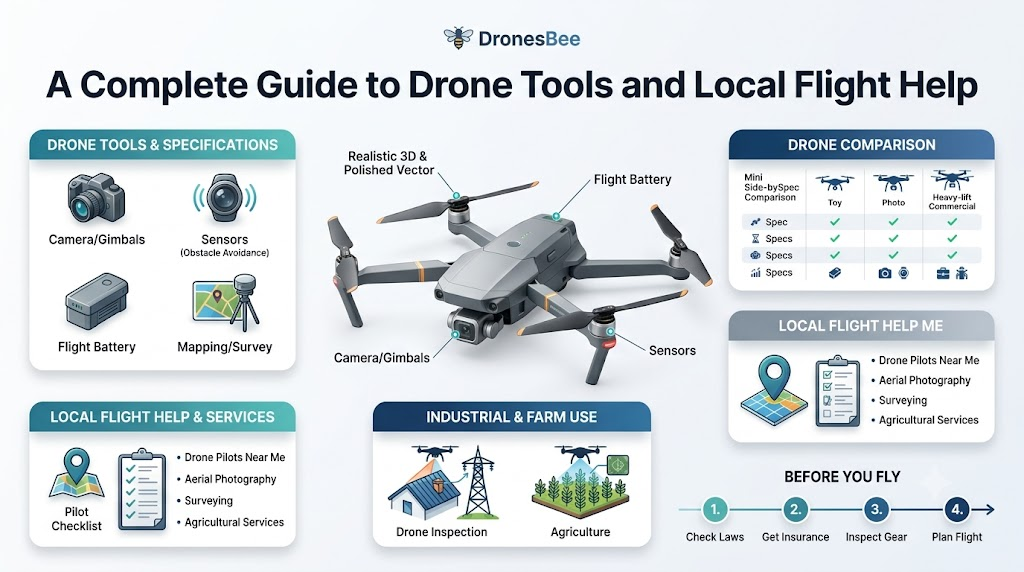
A simple drone comparison helps you see differences between models side by side. Do not look only at the lowest sticker price. Cheap drones often lack safety sensors and break on the first crash. They may also use weak batteries that die after ten minutes. So balance the retail price with build quality and spare parts. The table below shows what you should check before buying your next flyer.
| Factor | What to Check |
| Camera | Image sharpness and video needs |
| Flight time | How long one battery stays up |
| Weight | Total ounces for easy travel and rules |
| Range | How far the signal travels safely |
| Safety | Crash sensors and return buttons |
| Support | Easy spare parts and fast repair help |
| Price | Full cost with extra batteries |
Add Up the Real Cost of Ownership
Always plan for the hidden costs of flying gear. You often need two or three extra flight batteries. You also need a multi-battery charger and a tough carry bag. High-speed memory cards are also necessary to store your clean video clips. A cheap flyer can become costly once you buy all these extras. So compare total package costs across brands before choosing one. DronesBee offers clear comparison charts to make this step painless.
Finding the Best Drones for Your Job
The best drones for you depend strictly on your daily needs. Beginners should buy small, light aircraft with blade guards. These lightweight machines bounce off walls without breaking into pieces. Travel fans love folding drones that fit into tiny bags. Serious movie makers buy heavy flyers with large camera glass. These big rigs capture smooth video even during fast flights. Farmers and land builders need tough flyers that work through dust and light rain.
| Drone Class | Primary User | Key Benefit |
| Mini Fliers | Beginners and Kids | Lightweight, safe blades, low price |
| Travel Fliers | Hikers and Tourists | Folds small, long battery life |
| Cinema Fliers | Video Creators | Large camera sensors, steady flight |
| Enterprise Fliers | Surveyors and Farmers | Heavy lift, water resistance, thermal sensors |
Pick Features That Match Real Work
Never buy extra features that you will never use outdoors. A thermal heat camera costs a lot of extra money. A regular family photographer does not need that costly sensor at all. But an inspector checking hot power lines needs it every day. So match your gear to the real problems you must solve.
When You Need Drone Services
Buying a drone is not always the best business choice. Commercial drones cost thousands of dollars to buy and maintain. You must also spend many weeks learning complex flight rules. Professional drone services save your business time, effort, and money. Hiring a pro is smart when you only need images twice a year. You also avoid costly crash damage and battery care chores.
Avoid Gear Upkeep and Training
Drones need new parts, regular updates, and clean storage spaces. Professional pilots handle these hard tasks every single week. They carry legal licenses and commercial flight insurance policies. This safety shield protects your business if an accident ever happens. You simply hand over the project goals and wait for final results. Platforms like DronesBee help you discover verified local operators without any stress.
How to Find Drone Pilots Near Me
Many people search online for drone pilots near me to handle local jobs. But you should screen every pilot before signing a work contract. Ask about their flight experience with your exact type of project. A wedding shooter might not know how to map a dirt quarry. Always ask to see their government flight license and insurance papers. Safe pilots will share these documents with you right away.
Ask About Safety and Final Deliverables
Next, talk about your required final files before any flight begins. Do you need raw photos, edited movies, or 3D computer maps? Make sure the pilot owns the right gear to deliver those files. Also ask how they handle bad weather and sudden wind gusts. Safe pilots always carry backup plans for rainy days. Local knowledge of flight rules keeps your project fully legal and smooth.
Aerial Photography Services
Professional aerial photography services capture stunning views from high in the sky. Real estate agents use these views to sell big homes faster. Hotels show off their swimming pools, green grounds, and nearby beaches. Construction teams use aerial photos to track building progress week by week. Tourism boards create exciting films that bring new visitors to town. But great photos need more than just a nice flying camera.
Why Pilot Skill Matters Most
Anyone can push a plastic stick and send a drone upward. But skilled pilots understand good light, balance, and smooth motion. They fly close to subjects without creating safety risks below. They also know how to edit colors for a bright, clean look. So hire pilots who have strong photo portfolios to show you.
Drone Surveying Services
Modern drone surveying services turn aerial photos into accurate land maps. Flying cameras take hundreds of overlapping photos across a large dirt site. Smart computer programs then stitch those pictures into one giant 3D map. Road crews use these maps to measure dirt piles and land slopes. Builders spot site errors early before pouring hard concrete foundations. This work is much faster than walking across muddy fields with sticks.
Tools and Accuracy for Land Work
Surveying requires special drones with satellite positioning tools. These tools link with ground targets to pinpoint exact map locations. Standard hobby drones do not have this high level of accuracy. So survey teams use advanced flight plans that run on set paths automatically. The computer flies the drone in neat lines just like a lawnmower. This careful method ensures no piece of ground gets missed during the survey.
Drone Inspection Services
Helpful drone inspection services keep human workers safe on the ground. Workers no longer need to climb tall cell towers or risky ladders. Instead, a pilot sends a small drone up to check cracked roof tiles. Drones also inspect long power lines, tall wind blades, and sunny solar farms. They spot rust, loose bolts, and storm damage in just a few minutes.
The Limits of Drone Inspections
Flying cameras save tons of time, but they cannot replace every physical check. A drone camera can spot a rust mark on a steel beam. But it cannot tap the metal with a hammer to test its strength. It cannot tighten a loose screw or replace a broken pipe. So drones serve as fast scouting tools rather than complete repair workers.
Agricultural Drone Services
Modern agricultural drone services help farmers grow more food with less waste. Large farm drones carry special cameras that see unseen plant stress. These cameras spot dry soil, pest attacks, and plant diseases very early. Then, heavy spray drones apply water or fertilizer only where plants need help. This smart approach saves money and keeps extra chemicals out of the soil.
Farm Gear Differs From Toy Drones
Farm flyers are much larger than regular camera drones you see in parks. They carry heavy liquid tanks, big motors, and giant spray nozzles. Their batteries are huge and require large gas generators to charge in the field. Operating these big tools requires special safety training and government permits. So most family farmers hire trained spray teams instead of buying the gear themselves.
Real-Life Scenarios
- A small home builder needs site photos: A builder wants to show weekly progress to home buyers. He does not want to learn flight laws. So he hires a local pilot for thirty minutes each Friday. He gets clean photos quickly without buying expensive gear.
- A roof repair company inspects storm damage: A roofing team checks old wood shingles after a hail storm. Walking on wet roofs causes dangerous falls. The crew uses a small camera drone to spot missing tiles safely from the lawn.
- A fruit farmer spots dry orchard rows: A farmer flies a camera drone over twenty acres of apple trees. The images show a broken watering pipe in the north corner. He fixes the leak before the trees dry out in the heat.
Common Mistakes to Avoid
- Buying without checking rules: People fly drones in banned air zones. Check your local flight maps before you spend any money.
- Picking a drone only by price: Cheap drones often drift away and break. Buy a model with good GPS hold and safety sensors.
- Ignoring battery limits: New pilots fly too far away and run out of power. Land your drone when the battery gauge hits thirty percent.
- Skipping pilot insurance: Businesses hire cheap pilots who lack proper papers. Always demand proof of liability insurance before any flight starts.
- Flying in heavy wind: Strong winds blow small drones into tall trees. Check the weather wind speed before you take off outside.
- Forgetting extra memory cards: Video files fill up small memory cards fast. Always keep two clean, high-speed cards inside your gear bag.
- Skipping blade checks: Chipped blades cause shaky video and sudden drops. Look closely at your plastic blades before every flight.
- Trusting crash sensors completely: Sensors sometimes miss thin power wires and small branches. Always keep your own eyes on the flying craft.
How DronesBee Can Help
DronesBee makes the entire world of unmanned flight simple for everyone. The site brings together honest drone reviews, drone specifications, and clear side-by-side drone comparisons. You can research the newest aircraft from home without reading messy sales talk. You also get fresh industry news, helpful safety tips, and clear training guides.
When buying gear is not the best answer, the platform helps you discover local drone services. You can easily connect with verified and insured drone pilots near me for any commercial job. Whether you need aerial photos, land maps, or building checks, the site links you directly to qualified teams. You can read user feedback, ask for price quotes, and plan your flight tasks easily.
Frequently Asked Questions
1. How hard is it for a beginner to fly a drone?
Modern drones are very easy to fly because they use smart satellite positioning. The craft hovers in one spot even if you let go of the control sticks. Sensors stop it from drifting away in light winds. But you still must practice in open fields away from trees. Start slowly, fly low, and read the instruction manual before your first flight.
2. Do I need a license to fly my camera drone?
Rules depend on where you live and why you fly. In most regions, flying purely for fun requires only a fast safety test online. But using a drone to make money requires an official commercial pilot license. You must also register your aircraft with your local aviation authority if it weighs over 250 grams. Always check local laws first.
3. How long do drone batteries last during flights?
Most consumer drones fly for about twenty to thirty-five minutes per battery pack. Cold weather and high winds will drain the power much faster. Heavy camera payloads also cut down total flight time. Because flight times are short, most pilots carry three or four extra batteries in their field bags to work without long charging pauses.
4. What makes survey drones different from photo drones?
Survey drones focus on exact geometric accuracy rather than pretty colors. They carry special satellite receivers that pinpoint the drone’s position down to the inch. They also use automated flight software to take overlapping images on a neat grid. Standard photo drones lack these specialized positioning tools and cannot build survey-grade maps on their own.
5. Can drones fly safely in the rain?
Most consumer drones cannot fly in rain because water damages their electric motors and computer boards. Moisture also fogs camera lenses and makes landings slick. However, expensive commercial drones often have special water seals for wet weather. Unless your drone manual says it resists water, always land immediately when raindrops start falling from the sky.
6. Why should I hire a pilot instead of buying a drone?
Hiring a pilot saves money if you only need aerial work done a few times a year. Good commercial drones and camera gear cost thousands of dollars. You also skip the hard work of taking flight tests, buying insurance, and learning complex software. A hired pro brings top equipment and completes your job safely and quickly.
7. What happens if a drone loses its radio signal?
Good modern drones have a smart safety feature called return-to-home. If the radio signal breaks, the drone uses its built-in GPS memory to fly back to where it took off. It then lands gently on the grass all by itself. You can also press a button on your controller to call the aircraft back at any time.
8. How high in the sky can I legally fly my drone?
In most countries, the legal flight ceiling is 400 feet above the ground. This rule keeps small drones away from low-flying planes, police helicopters, and medical transports. Flying higher than 400 feet creates extreme danger for larger aircraft with human passengers inside. Always follow this height limit and yield the right of way to airplanes.
9. Can a drone fully replace a human building inspector?
No, drones do not completely replace human inspectors on job sites. A drone camera spots visible cracks, rust patches, and missing shingles quickly. But it cannot touch materials, test pipe pressure, or turn loose bolts. Drones simply do the hard scouting work first. This allows human workers to stay safe on the ground until physical repairs are needed.
10. What are the best features to look for in travel drones?
Great travel drones should weigh under 250 grams and feature folding arms. Light drones face fewer travel rules and slip easily into small daypacks. You also want long battery life so you do not need to carry heavy wall chargers on hikes. Fast phone connectivity is also helpful for sharing your travel videos with family back home.
11. How do farmers use drones on large fields?
Farmers use drones to watch plant growth from the sky throughout the year. Special sensors highlight dry spots, weed patches, and insect damage long before humans spot them from the ground. Large spray drones can also spray liquid medicine right onto sick crops. This targeted care uses less water and keeps the surrounding soil clean and healthy.
12. How does DronesBee help someone looking for flight services?
DronesBee links you directly with verified, insured commercial drone pilots in your local area. Instead of calling random phone numbers, you can search for operators by project type and location. You can view pilot reviews, review past portfolios, and request project quotes directly. This simple process makes finding reliable aerial help fast, safe, and stress-free.
Conclusion
Finding the right flying tool starts with knowing your personal project goals. Define your main tasks, compare important features, and read honest drone reviews before spending your money. Check the full ownership costs, follow all local safety rules, and never hesitate to hire a certified pilot for complex jobs. Platforms like DronesBee make it easy to research new aircraft and discover skilled local flight services. Choose the drone for the job, not just the drone with the biggest feature list.
Leave a Reply