Simple Rural Guide For Better Crops Schemes And Income Growth
Introduction
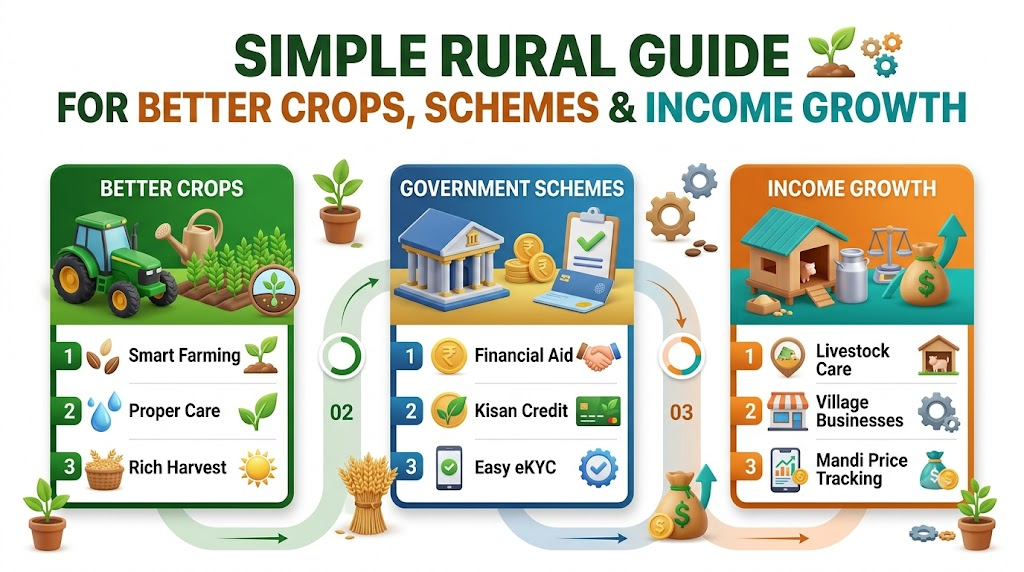
Indian farmers work hard every day to feed millions of families across our country. Farming needs clear facts about healthy seeds, good soil, rain, and local market sales. Hard words in complex government forms often confuse villagers and waste valuable field time. Many rural families lose good benefits because nobody explains the rules in simple words. They also need daily crop prices so local traders do not trick them. Friendly guidance helps village youth start small businesses and build secure family income streams. The helpful website mahto.in brings clear rural guidance to every village home across India. It shares trusted facts in plain words so all farmers can plan with confidence. This complete guide shows how to grow better crops and gain helpful government support today.
Simple Farming Help for Everyday Needs
Farmers need fast and simple answers to protect their crops from harm every day. Changing weather often damages plants, so growers must prepare their soil with great care. Crop prices at local markets also go up and down every single week. A grower must know true prices to sell grains for a fair profit. Many farm owners want to raise healthy cows, goats, or chickens for extra money. Small village shops can also help young people earn steady profits during slow farm seasons. Helpful portals like mahto.in share easy facts about crops, bank loans, and animal care. Clear facts help growers save money, reduce costly waste, and build strong family farms.
What MAHTO.IN Offers
The website mahto.in serves as a friendly digital knowledge hub for rural Indian families. It shares helpful farming guides in plain Hindi so everyone reads and understands quickly. Readers find facts about crop care, market rates, rainy days, and helpful official schemes. It also teaches villagers about animal health and simple businesses to boost family earnings. Village families learn practical steps without reading confusing legal papers or hard technical books. The website connects rural workers to fresh opportunities and easy government welfare programs. It guides users step by step so they avoid common mistakes and save time. Every village family can use this free knowledge to make smart decisions every season.
Main Topics Farmers Can Find
Rural families can explore many key topics on the website to improve their daily work. Readers learn about field crops, animal care, market rates, and helpful village development plans. The website organizes this practical guidance into simple sections that anyone can read with ease.
| Topic Section | What Readers Can Learn From This Section |
| Crop Farming | Good seed choice, soil care, water schedules, and safe pest control |
| Government Schemes | Form rules, identity checks, official benefits, and simple application steps |
| Market Prices | Daily crop rates, supply trends, quality checks, and transport advice |
| Livestock Care | Animal shelter, daily feed, clean water, shots, and milk sales |
| Rural Businesses | Village shop plans, dairy setups, small food units, and startup costs |
These clear sections help farm families find answers quickly and start work without delay.
Farming Information in Hindi
Many official farming books use complex English terms that create confusion for village workers. Reading farming information in Hindi helps growers understand critical soil and crop steps much faster. Farmers learn how to test soil health before they buy costly bags of fertilizer. They also discover how much water seeds need during hot summer or dry winter months. Good guides show how to spot plant bugs early and use safe plant medicines. Plain words help growers pick the best seeds for their own local village soil. Next, farmers learn the right time to cut mature crops and store dry grains. Good knowledge protects the harvest and keeps field soil fertile for many years ahead.
Government Schemes for Farmers
Our leaders create many helpful welfare programs to support rural workers across the country. Many growers miss these programs because official application forms look very hard to read. Finding clear facts about government schemes for farmers helps villagers claim their rightful money benefits. Readers learn who qualifies for help, what papers to show, and where to apply. They also learn how to avoid common spelling errors on their official application papers. But rules, cash amounts, and cut-off dates change often across different Indian states. Farmers must always check current village office rules before submitting their final benefit applications. Simple guides make this entire application path easy, honest, and smooth for every rural worker.
PM Kisan eKYC and Kisan Credit Card
The PM Kisan program gives direct cash aid to help farmers buy seeds and fuel. But growers must complete their PM Kisan eKYC on official portals to receive this money. This step links an Aadhaar identity card to a active bank account without mistakes. Next, growers can apply for a Kisan Credit Card to borrow money at low interest. This special card helps families buy fertilizer without paying huge fees to local moneylenders. Farmers need land papers, voter cards, bank passbooks, and clear photos to apply successfully. Always verify your bank papers with local bank staff to prevent sudden payment delays. Keeping documents correct ensures quick approvals and prevents costly cash interruptions during planting months.
How to Check Mandi Prices
Market prices change every single day across different towns and busy agricultural trade centers. Knowing how to check mandi prices helps growers sell their produce for the best value. Prices rise when crop supply is low and many city buyers want fresh grain. But prices drop fast when nearby markets receive too many truckloads of wet produce. High transport costs also reduce the net profit a farmer brings back home after sales. Clean, dry, and well-sorted crops always bring more money from honest commercial grain traders. Farmers should compare rates across three nearby markets before loading goods onto hired trucks. Smart price checks protect hard field work and secure fair earnings for the family.
How to Grow Paddy
Rice feeds millions of families, so learning how to grow paddy brings steady food security. First, a farmer must plow the field deeply and test the muddy clay soil. Next, soak good seeds in clean water and plant them carefully in nursery beds. Move young green seedlings into wet, flooded fields after twenty to twenty-five sunny days. Keep standing water around the plant roots to stop wild weeds from growing fast. Watch the green leaves closely to catch harmful stem bugs before they spread widely. Drain extra water from the field ten days before you cut the golden stalks. Finally, dry the cut paddy under warm sunlight before packing it into clean bags.
How to Start Goat Farming
Small animals like goats bring fast cash because they eat simple grass and shrubs. Learning how to start goat farming requires very simple planning and a modest starting budget. Build a dry, airy shed with strong wooden fences to keep hungry wild dogs away. Choose strong local goat breeds because they stay healthy and survive changing village weather. Give your goats clean water, fresh tree leaves, dry fodder, and mineral salt blocks. Next, call a local government animal doctor to give regular shots against common diseases. Sell grown goats directly to local buyers during festival seasons to earn good market prices. Always write down your daily feed costs and sales to track true family profits.
Village Business Ideas
Farming families can start small home enterprises to earn extra income during slow dry months. Profitable village business ideas include small dairy units, poultry sheds, mushroom rooms, and plant nurseries. Some families buy flour mills or spice grinding machines to serve their neighborhood households. Others pack fresh honey or make clean cow dung manure to sell to gardeners. But entrepreneurs must check local village demand before spending their hard-earned family savings on equipment. Calculate the setup cost, monthly power bills, and packaging prices before opening any rural enterprise. Starting small helps owners learn the trade safely without taking large, risky bank loans. Hard work and happy local customers help small village shops grow steadily over time.
How to Start Organic Farming
Many buyers now pay good money for clean food grown without toxic factory chemicals. Learning how to start organic farming begins with feeding the soil rich, natural compost manure. Farmers mix cow dung, dry leaves, and green plant waste to create dark, nutritious compost. Plant different crops each season to keep the garden soil balanced, soft, and naturally fertile. Spray homemade neem leaf water on crops to chase away tiny chewing insects safely. Next, check state certification rules if you plan to sell organic food to supermarkets. Organic methods take two or three years to build rich, chemical-free, living farm soil. Natural farming protects family health, lowers cash spending on sprays, and protects local drinking water.
Livestock Farming Information
Farm animals need daily love and clean living spaces to produce healthy, rich milk. Reading good livestock farming information teaches families how to feed cows, goats, and hens properly.
| Farm Animal | Best Daily Feed Choices | Key Care Need | Main Income Source |
| Dairy Cow | Green grass, dry straw, oil cakes, salt | Clean shed floor and fresh water | Daily morning and evening milk |
| Meat Goat | Tree leaves, dry grass, clean water | Dry raised floor and disease shots | Sale of healthy adult goats |
| Backyard Hen | Yellow corn grains, seeds, water | Warm dry night coop and wire nets | Fresh farm eggs and meat birds |
Wash animal feeding bowls every day to stop germs from spreading inside the barn. Keep written records of mating dates, birth weights, and daily milk yields in a notebook. Healthy, clean animals stay strong and bring dependable cash to village homes year after year.
Real-Life Scenarios / Experiences
- Ramesh was a paddy grower who spent high cash on chemical sprays every single year. He switched to cow dung compost, cut his fertilizer costs, and kept his field soil fertile.
- Sunita owned four goats but lost two young kids to sudden seasonal belly chills. She built a dry, raised wooden floor and saved all newborn animals the next winter.
- Manoj drove his loaded grain cart to the nearest town without checking daily open prices. He lost money on fuel, so now he checks market rates before leaving his home.
- Priya applied for farm support funds but faced painful delays due to an Aadhaar name mismatch. She corrected her official documents at the local center and received her cash grant.
Common Mistakes to Avoid In Rural Planning
- Many farmers buy costly seeds from strangers without checking certified germination and purity seals. Always buy sealed seed packets from registered local agriculture offices or trusted licensed shops.
- Some growers apply double doses of chemical sprays when they spot tiny leaf bugs. Follow package directions strictly because too much poison burns crops and wastes household cash.
- Villagers often skip disease shots for cows until a bad sickness spreads through the village. Follow an annual vaccine calendar from the local government animal clinic to keep herds safe.
- Many small owners fail to complete their digital verification forms before official cutoff dates. Check your identity records early so you never miss important state benefits or bank aid.
- Several growers sell all their grain to the first visiting trader at cheap rates. Compare prices across three local markets to get fair value for your heavy harvest sacks.
- Beginners often buy exotic animal breeds that cannot survive hot, dry local summer weather. Pick tough local animal breeds because they resist native germs and eat simple local plants.
- Many farm families run small shops without tracking daily costs, credit sales, and receipts. Keep a small paper notebook and record every single rupee spent and received every evening.
- People sometimes copy a neighbor’s business idea without checking if local customers want it. Check your local village demand first to confirm people will buy your goods or services.
How MAHTO.IN Can Help
Finding simple, honest rural guidance should never be hard or stressful for Indian village families. The helpful platform mahto.in gathers clear crop guides, animal advice, and business tips in one place. It explains state welfare schemes and paper requirements in simple words so anyone can apply easily. Farmers can also track changing market trends and seasonal weather tips to protect their hard work. It supports rural dreamers who want to build stable farms and happy, self-reliant village homes. Visit this friendly portal to read easy guides and grow your farming knowledge today.
Frequently Asked Questions
1. What is the main purpose of the mahto.in platform?
The website mahto.in shares clear, practical rural guides for Indian farmers and village families. It translates hard technical topics into simple Hindi so everyone can understand without trouble. Readers learn about field crops, animal care, market rates, and helpful government welfare programs. It gives honest guidance so rural workers can make smart decisions every single day.
2. How does checking daily market prices help small farmers?
Crop prices change daily based on total supply, buyer demand, and crop quality across town markets. Checking rates early prevents growers from selling fresh produce too cheaply to middlemen. Farmers can pick the best local market and cover their transport costs with higher sales earnings. This smart habit protects seasonal profits and brings fair rewards for hard field labor.
3. Why must a farmer complete PM Kisan eKYC?
The government requires this digital check to confirm the true identity of every registered farmer. It links an active Aadhaar card directly to the correct rural bank savings account. Completing this fast step ensures direct cash benefits arrive safely without sudden delays or fraud. Farmers can finish this simple check online or visit a nearby village digital service center.
4. How does a Kisan Credit Card support field work?
A Kisan Credit Card gives farmers access to low-interest bank loans for their seasonal planting needs. Growers use these funds to purchase quality seeds, diesel fuel, fertilizers, and field tools on time. It protects rural families from borrowing money at unfair rates from greedy local moneylenders. Farmers repay the loan smoothly after harvesting and selling their mature field crops.
5. What soil works best for growing healthy paddy?
Paddy crops grow best in heavy clay or silty clay soils that hold water very well. These rich soils hold standing water around root zones during hot sunny growing days. Farmers must plow fields thoroughly to create a flat, muddy bed before planting young seedlings. Healthy soil holds rich nutrients and helps rice plants produce heavy, golden grain heads.
6. Can a beginner start goat farming with low money?
Yes, a beginner can start goat farming by buying just two or three healthy local goats. Goats eat simple tree leaves, farm weeds, and crop waste, so feed costs stay very low. Build a safe, dry shed with scrap wood and wire to keep animals safe at night. As the herd grows naturally, the owner can sell adult animals for good cash.
7. What are the best village business ideas for young people?
Rural youth can open dairy units, poultry sheds, plant nurseries, or small flour grinding shops. Packing natural farm goods like honey, compost, or ground spices also brings great local profits. These small businesses solve daily village needs and create steady income streams during slow farming months. Beginners should start small to match local village customer demand without taking large debts.
8. How long does the switch to organic farming take?
Switching to chemical-free organic farming usually takes two to three full years of steady work. During this time, the soil washes away old factory chemicals and rebuilds natural living power. Farmers add compost manure, plant cover crops, and use natural pest remedies like neem water sprays. Healthy organic soil grows nutritious food while protecting family health and local well water.
9. Which basic shots do farm cows need every year?
Cows need yearly vaccines to stay safe from deadly illnesses like foot-and-mouth disease and black quarter. Sick farm animals stop giving milk, lose weight rapidly, and cost huge veterinary hospital bills. A local government animal doctor can visit your shed and give these shots on time. Keeping a written animal health record ensures you never miss a vital booster shot.
10. Where can farmers find farming information in Hindi?
Farmers can find clear farming information in Hindi on trusted rural websites like mahto.in. The platform explains seed selection, soil prep, pest care, and modern techniques in everyday language. It removes hard technical jargon so even beginners can follow field steps with complete ease. Reading in your own native language makes learning enjoyable, fast, and very practical.
11. What papers are needed to apply for farmer schemes?
Farmers generally need their Aadhaar card, bank passbook, land ownership papers, and passport-size color photos. Some programs also ask for a mobile phone number linked to the applicant’s Aadhaar card. Keeping neat paper copies in a dry folder helps you apply quickly when registrations open. Always verify the required document checklist at your local village council office first.
12. How do daily weather updates save crop harvests?
Checking daily rain and wind forecasts helps farmers choose the best days to sow or spray. If heavy rain comes tomorrow, a farmer can wait and avoid wasting costly spray medicines. Growers can also dig quick drainage trenches to stop floodwater from rotting tender plant roots. Simple weather alerts save tons of ripe crops from sudden wind and hail damage.
Conclusion
Simple rural information gives Indian farmers the power to grow better crops and protect their families. When growers understand market rates, good seeds, and animal care, they avoid costly field mistakes. Simple guides also help villagers apply for helpful state welfare schemes and secure low-cost farm loans. Trusted platforms like mahto.in share this useful knowledge in friendly Hindi so every rural worker learns easily. Learning clear facts helps rural families plan their budgets, earn steady profits, and build thriving village communities. Stay curious, check your daily prices, care for your land, and work together for a bright rural future.
Leave a Reply